Dublin is a city that combines history, tradition and a particularly lively atmosphere.
From historic buildings and impressive libraries to traditional pubs, green parks and the bustling streets of the city centre, the capital of Ireland has a unique character that makes it stand out.
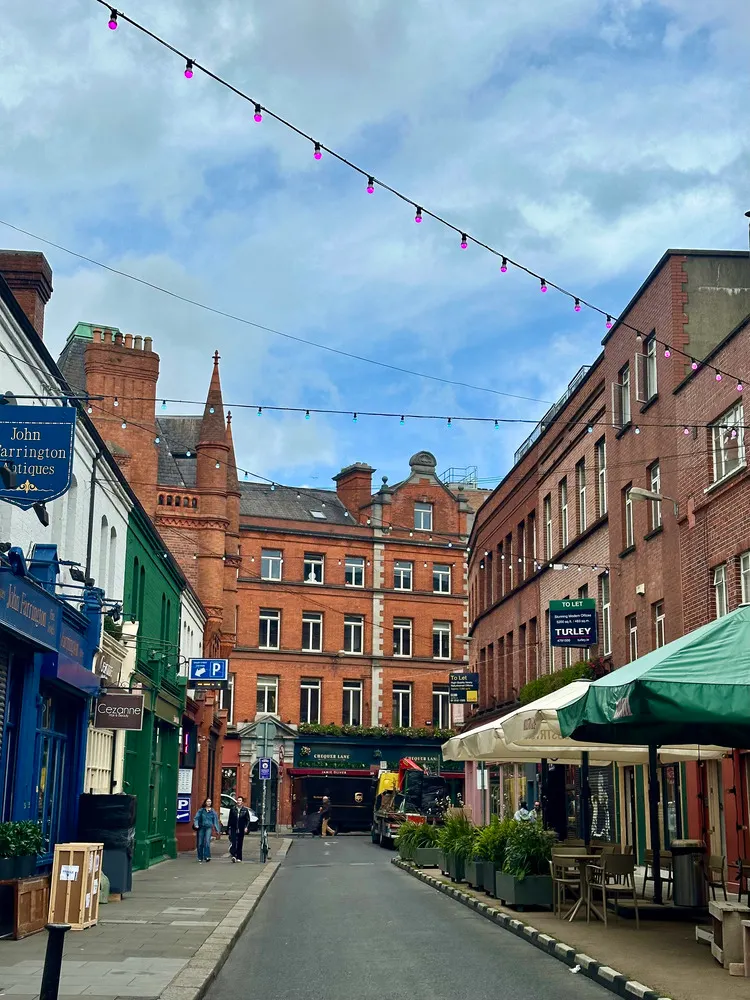
Most of the attractions in the historic centre are within walking distance of each other, so you can explore a large part of Dublin on foot.
The River Liffey divides the city into the north and south sides, while some of the city’s most well-known neighbourhoods and important attractions can be found along both banks.
Transportation in Dublin
As I mentioned above, most of the main attractions can be explored on foot, as they are relatively close to one another.
To get from Dublin Airport to the city centre, you can take the bus, and the fare is €2.60.
You should have the exact amount in coins, as you pay directly to the driver and no change is given. The driver also accepts cash only, not cards.
Public transport within the city costs €2.
What to see in Dublin
Trinity College and The Book of Kells Experience
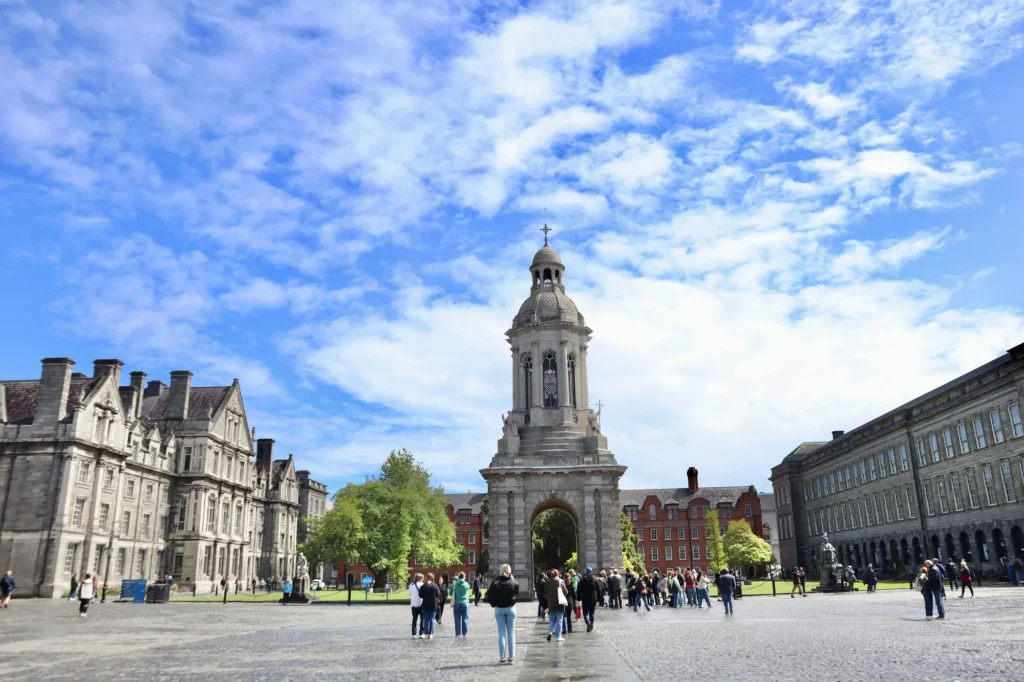
Trinity College is one of the most important and historic landmarks in Dublin. It was founded in 1592 and is the oldest university in Ireland.
The impressive campus is located right in the heart of the city, and it is worth walking around even if you are not planning to visit any of the attractions inside.
The most important attraction at Trinity College is the Book of Kells, an intricately illuminated manuscript dating back to the 9th century and containing the four Gospels of the New Testament.
Today, the visit takes place through the Book of Kells Experience, an experience that combines the exhibition of the original manuscript with the historic library and a modern digital exhibition.
One of the highlights is the Long Room, the impressive historic library of the Old Library, which houses around 200,000 of the library’s oldest books. Allow around 1–2 hours for the visit, and it is a good idea to book your ticket in advance.
National Gallery of Ireland
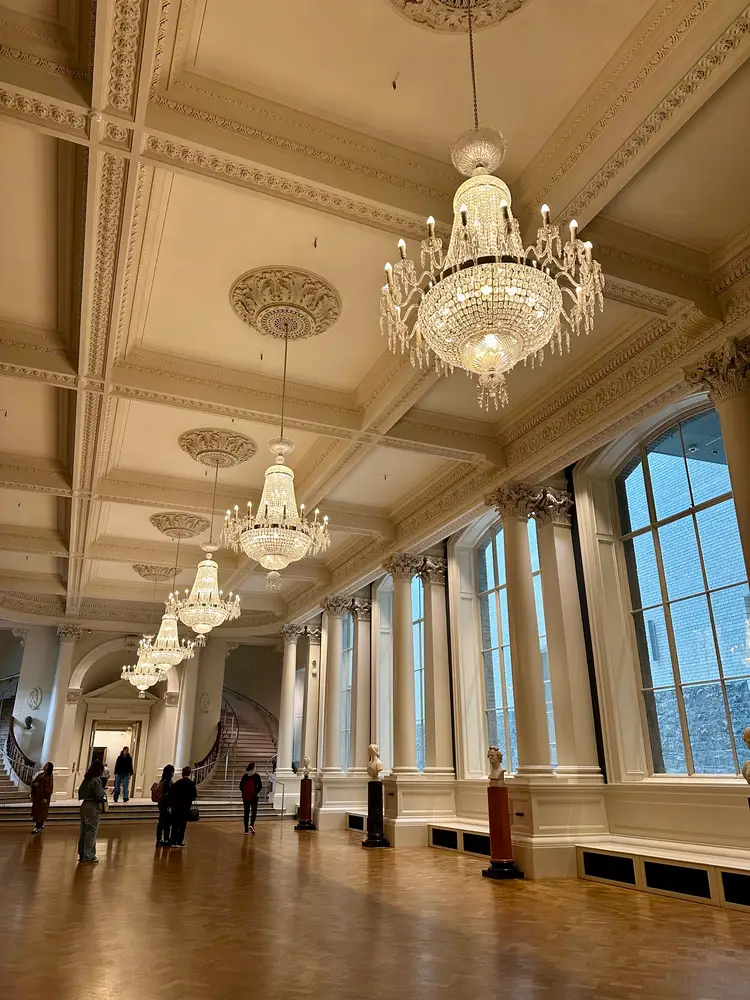
The National Gallery of Ireland is one of the country’s most important art museums and is located in the heart of Dublin.
Its collection includes works from European art, with important paintings from Ireland, Italy, Spain, France and other European countries. It is a good option for those who want to add some art and culture to their trip, while the area around the gallery is also ideal for a walk.

Molly Malone Statue
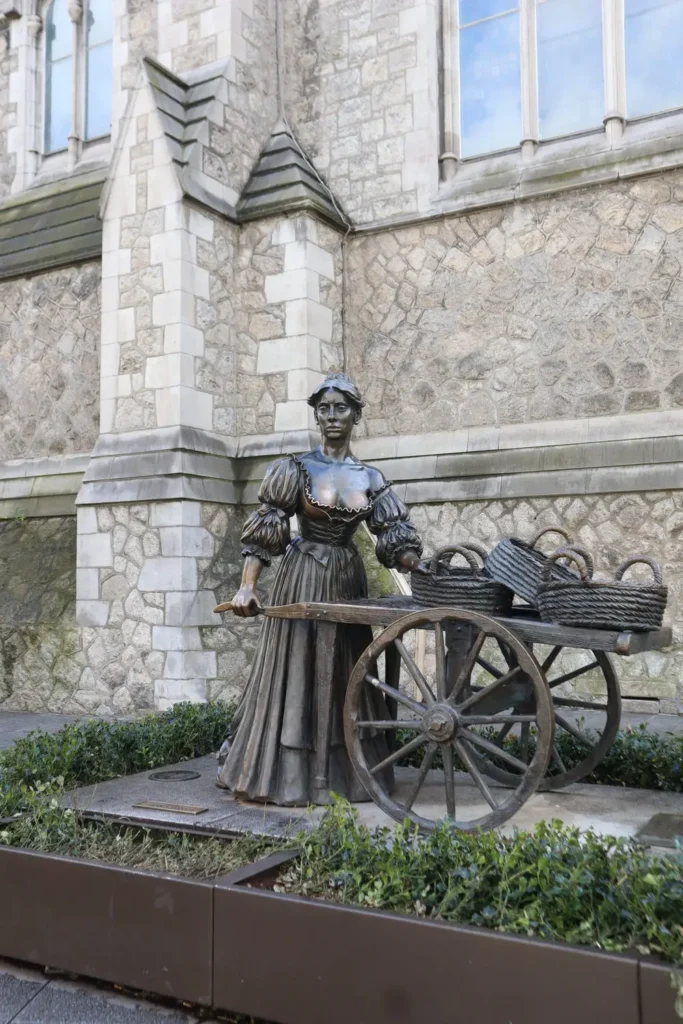
One of the most iconic photos you can take in Dublin is with the Molly Malone statue.
It is located on Suffolk Street and depicts Molly, the protagonist of the famous Irish song “Molly Malone”. The song has become one of the unofficial symbols of the city, and the statue is one of the most popular meeting points for visitors.
You do not need much time here, and you can easily combine this stop with Trinity College, as it is within walking distance.
The Temple Bar Pub
A trip to Dublin is not complete without at least a walk through Temple Bar.
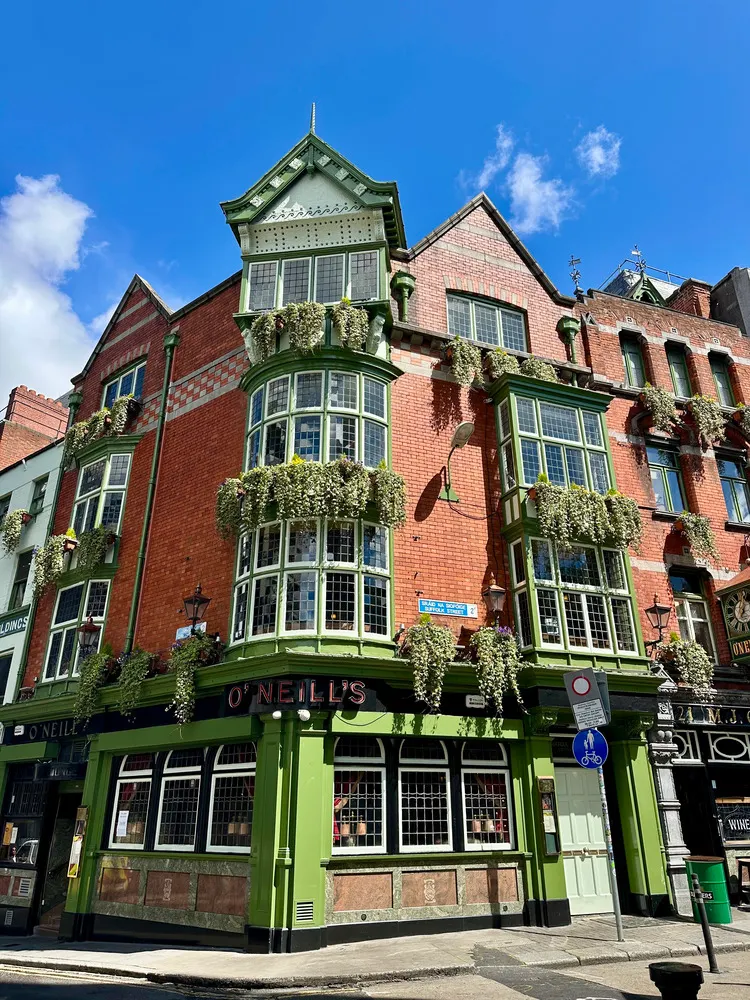
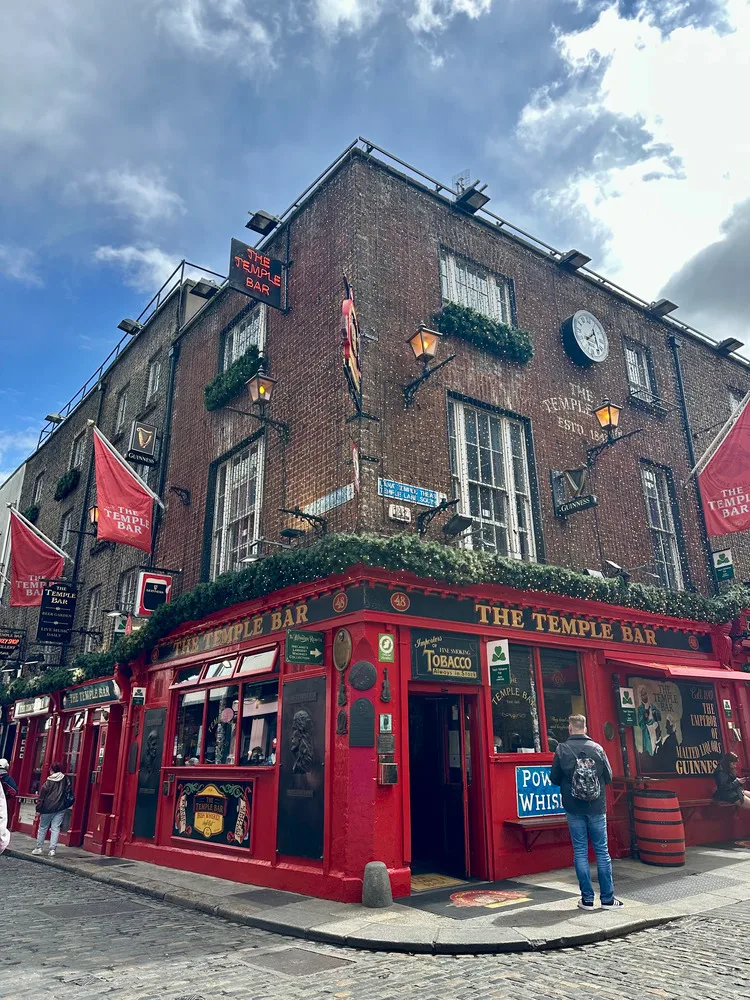
The name refers both to the historic area in the city centre and to the famous The Temple Bar Pub, one of the most photographed pubs in Ireland.
With its distinctive red façade, flowers and traditional atmosphere, it has become one of Dublin’s most recognisable landmarks.
To be honest, this particular pub is clearly a tourist attraction and is not somewhere locals typically choose to go.
I would therefore recommend taking your photo outside the building, and for your beer, I would suggest finding a more local pub, so you can spend less money while also experiencing a more authentic Irish atmosphere.
George’s Street Arcade
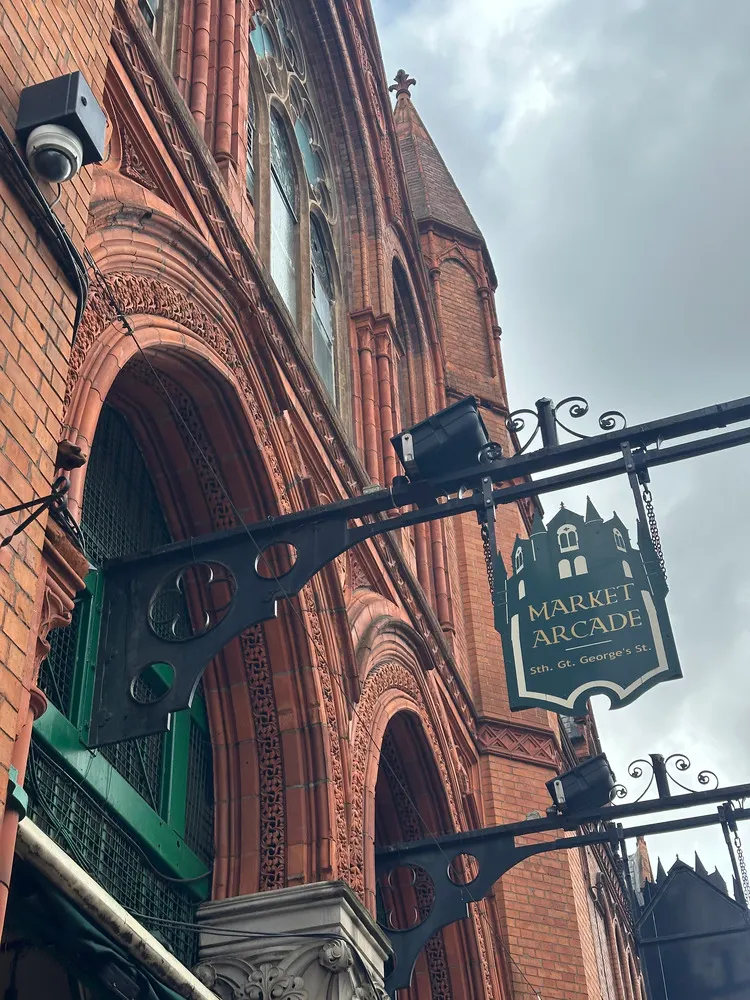
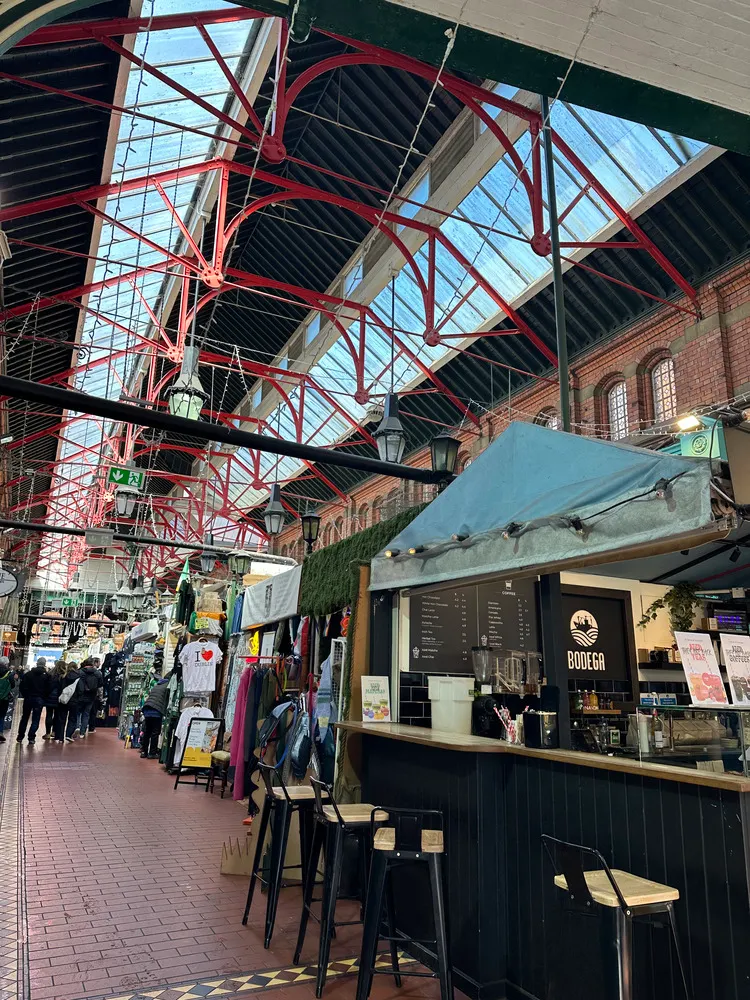
For a different side of Dublin, stop by George’s Street Arcade.
It is a historic indoor market in the city centre, where you will find small independent shops, vintage items, jewellery, clothes, books, souvenirs and various little spots for food and coffee.
It is a nice place for a short walk and a chance to discover something different from the more touristy shops in the city centre.
Dublin Castle
Dublin Castle is one of the city’s most important historic buildings. For around 700 years, from 1204 until Irish independence, it was the centre of English and later British rule in Ireland.
The complex includes historic buildings, the State Apartments, the Chapel Royal and medieval remains, while today it is an important venue for state ceremonies and events.
Important: Dublin Castle is currently closed to the public. The castle and its entire campus have been closed due to Ireland’s Presidency of the Council of the European Union and are expected to reopen in January 2027. Therefore, if you are travelling to Dublin during 2026, you will not be able to visit the interior.
Christ Church Cathedral
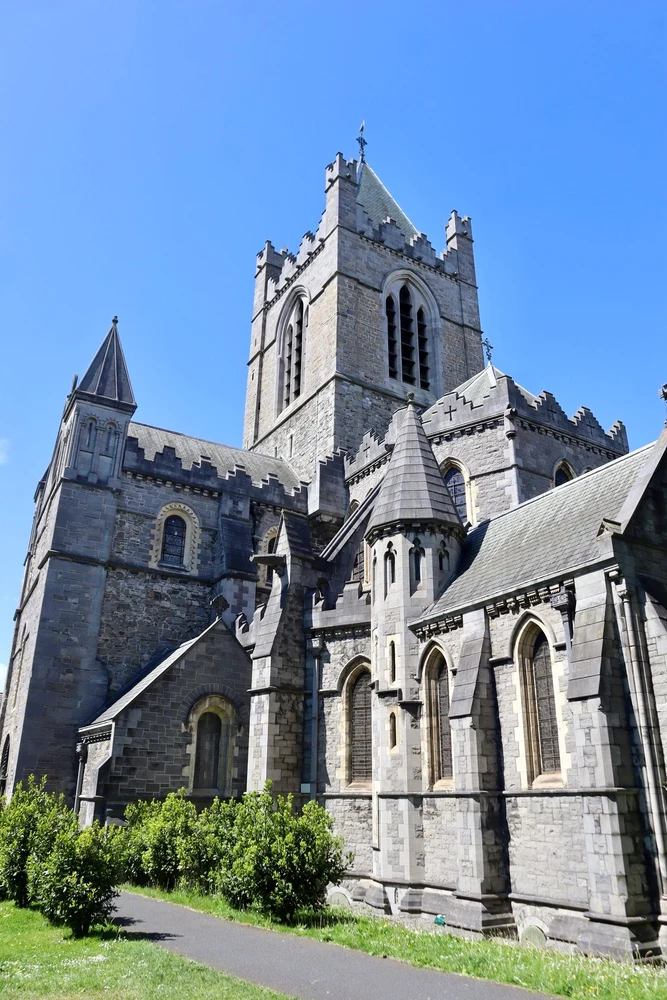
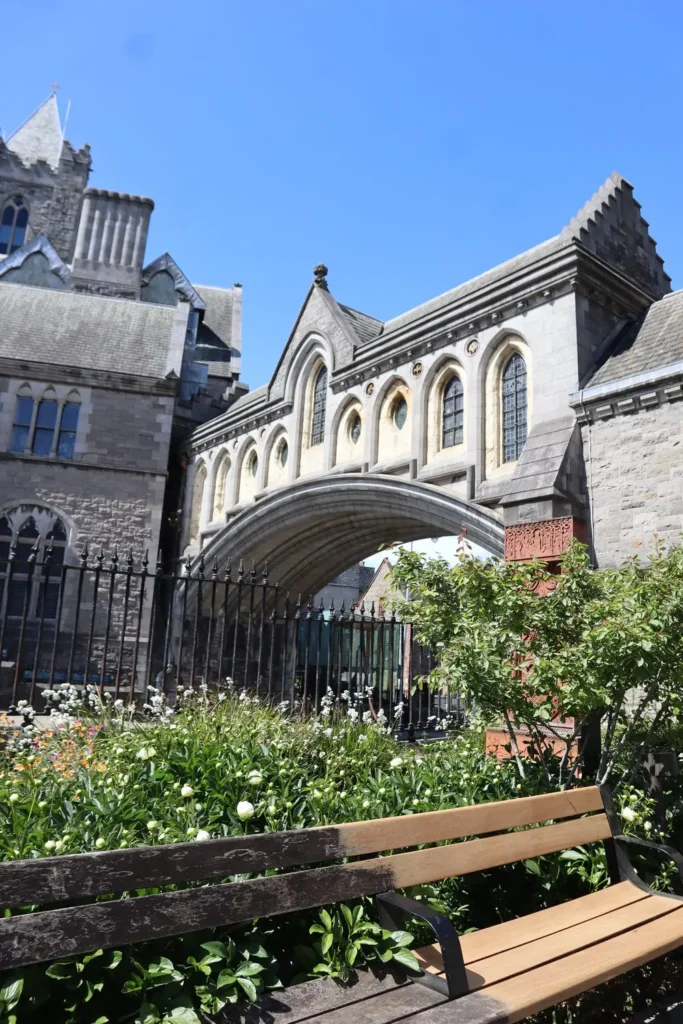
Christ Church Cathedral is one of Dublin’s most important religious and historic sites.
Its history dates back to the 11th century, and inside you can see impressive architectural features, medieval remains and the historic crypt, which is the largest cathedral crypt in Ireland and one of the oldest in Britain and Ireland.
St Patrick’s Cathedral
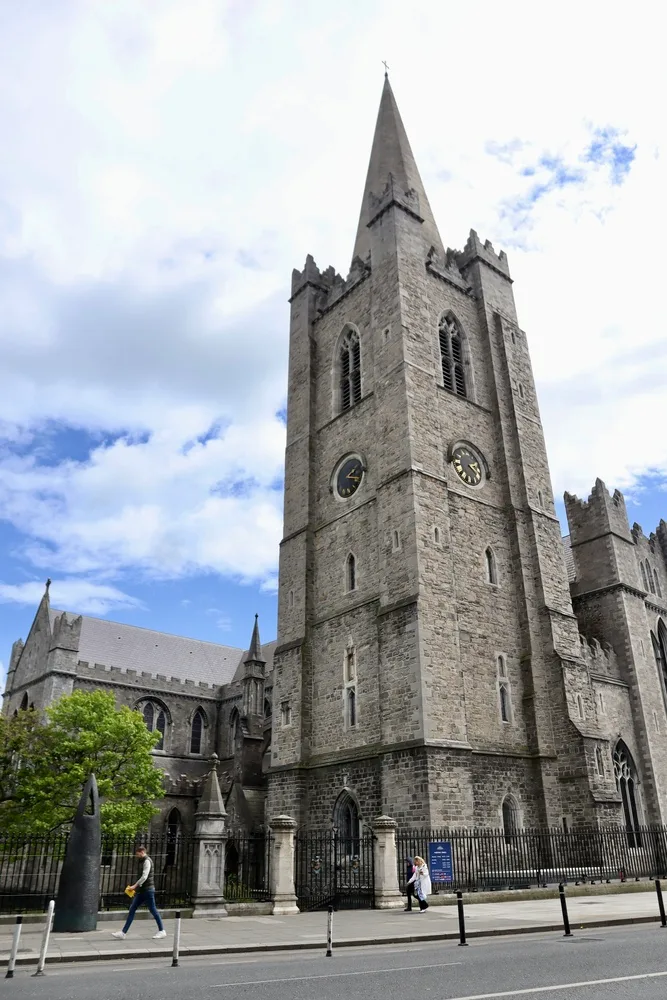
St Patrick’s Cathedral is the largest cathedral in Ireland and one of the most impressive historic buildings in Dublin.
The present church mainly dates back to the 13th century and is associated with important figures in Irish history and literature. One of them is Jonathan Swift, author of Gulliver’s Travels, who served as Dean of the cathedral and is buried here.
The cathedral is located next to St Patrick’s Park, a small green space that is perfect for a short break after your visit.
St Stephen’s Green
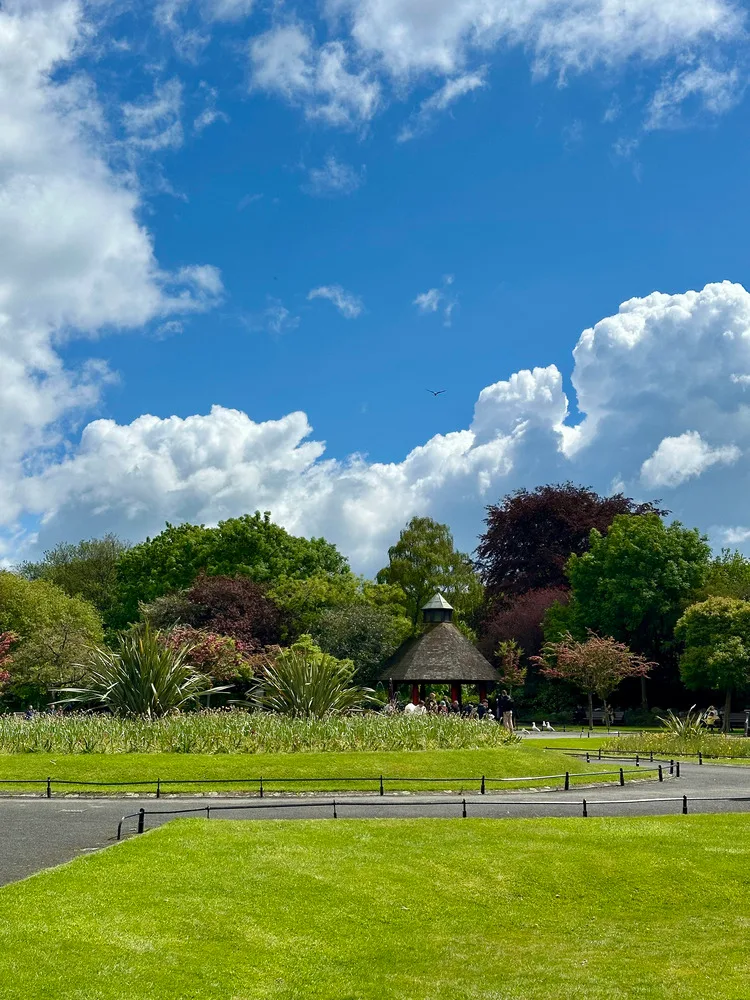
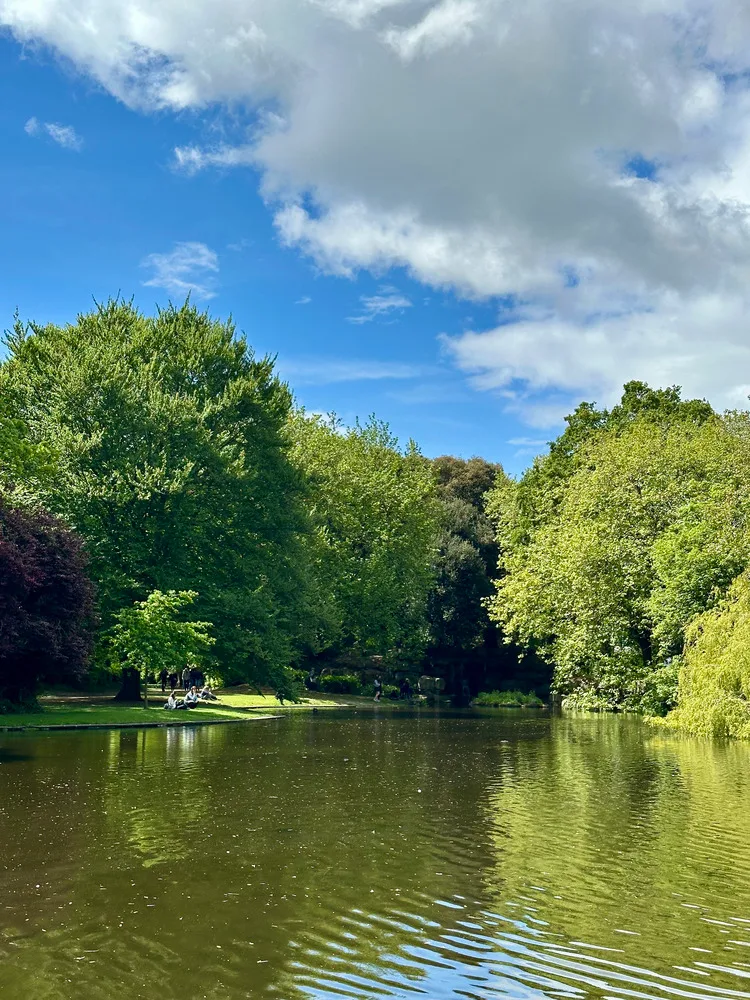
If you want a break from the busy streets of the city centre, St Stephen’s Green is the perfect place.
It is a large historic park in the heart of Dublin, with a lake, trees, flowers, walking paths and plenty of places to sit and relax.
O’Connell Monument
On O’Connell Street, one of Dublin’s most important streets, you will find the O’Connell Monument, dedicated to Daniel O’Connell, known as “The Liberator” for his campaign for Catholic Emancipation.
O’Connell Street is one of the main streets in the city and is worth exploring not only for its historic monuments but also for its atmosphere.
In the surrounding area, you will find plenty of shops, cafés, restaurants, fast-food spots and pubs, making it a good place to combine sightseeing with shopping and food.

Dublin Portal
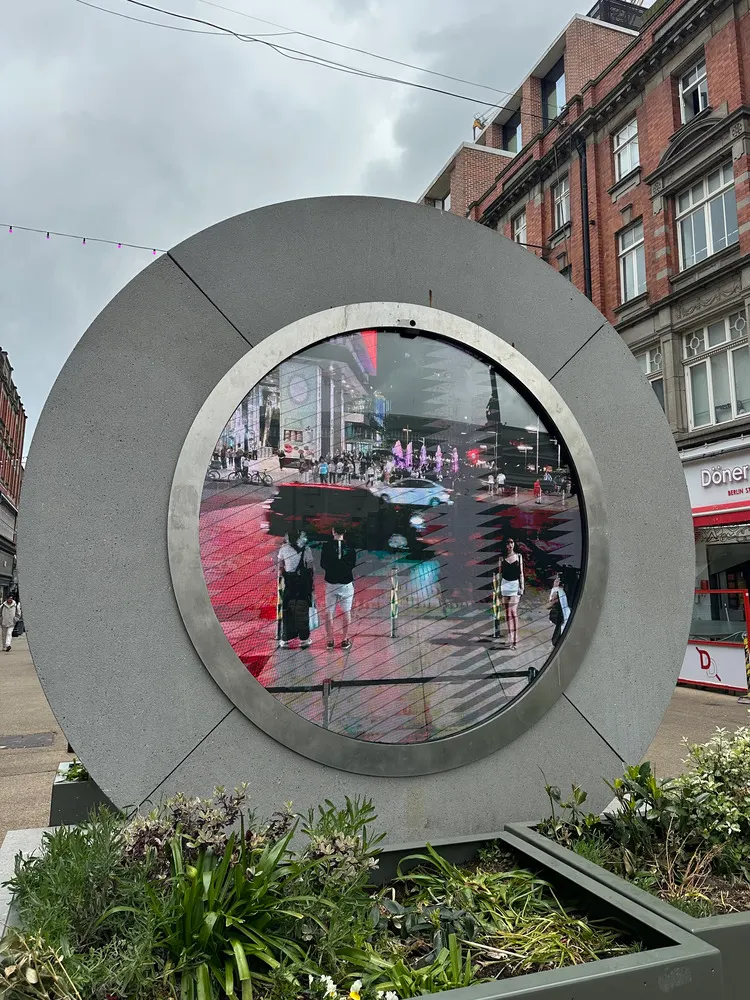
One of Dublin’s most unique and modern attractions is the Dublin Portal.
It is a public art installation that connects Dublin with New York through a live visual link. It was installed in the area between O’Connell Street and North Earl Street, allowing people in the two cities to see each other in real time.
Guinness Storehouse
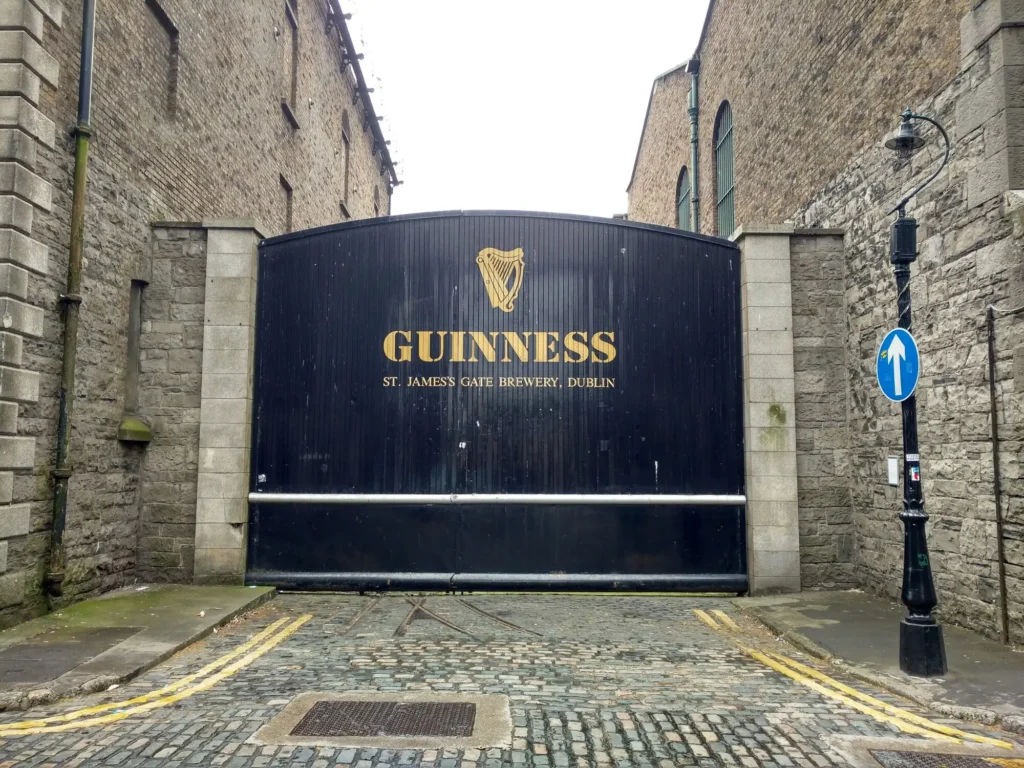
If there is one experience that has become synonymous with Dublin, it is the Guinness Storehouse.
Located at St James’s Gate, it showcases the history, brewing process and cultural significance of Guinness through a multi-level experience spread across seven floors. At the end of the visit, the Gravity Bar offers panoramic 360° views over the city.
You can also learn how to properly pour a Guinness at the Guinness Academy and enjoy a pint while taking in the views of Dublin.
Allow around 2–3 hours for the visit and, as it is one of the city’s most popular attractions, it is a good idea to book your ticket in advance.
Phoenix Park
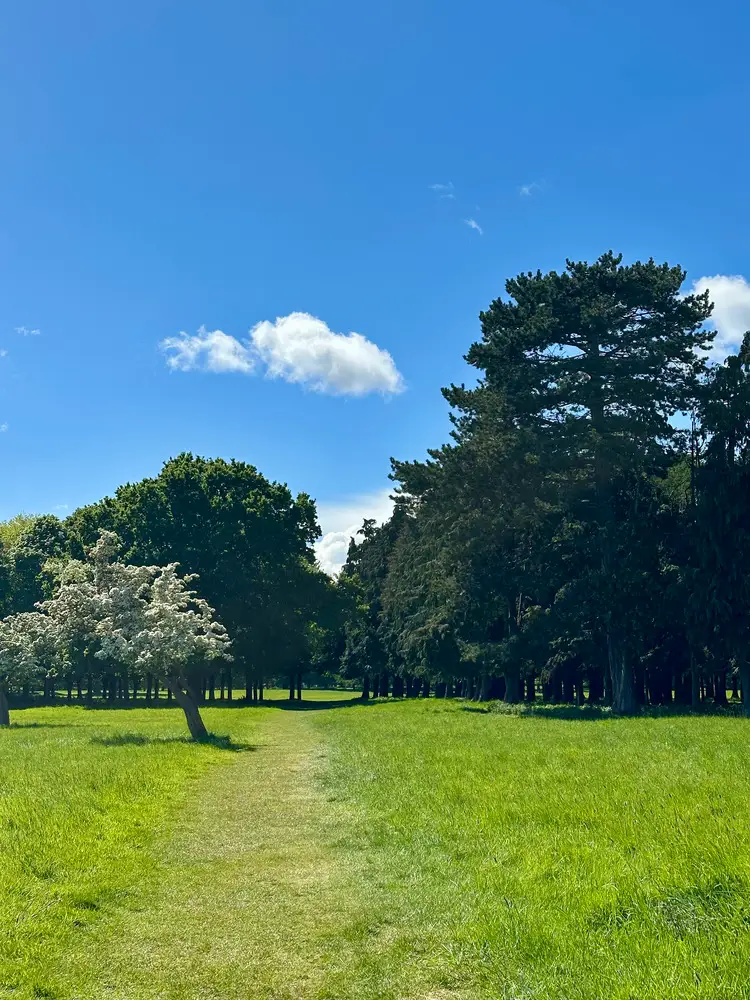
Phoenix Park is one of the largest public parks in Europe and one of Dublin’s most impressive green spaces.
It is enormous and is ideal for walking, cycling and relaxing away from the busy city centre. The park is also home to important attractions such as the Wellington Monument and Dublin Zoo.


If you have time, it is worth spending a few hours at Phoenix Park rather than treating it as a quick stop. It is one of those places that allows you to experience a quieter and greener side of Dublin.
Day trips
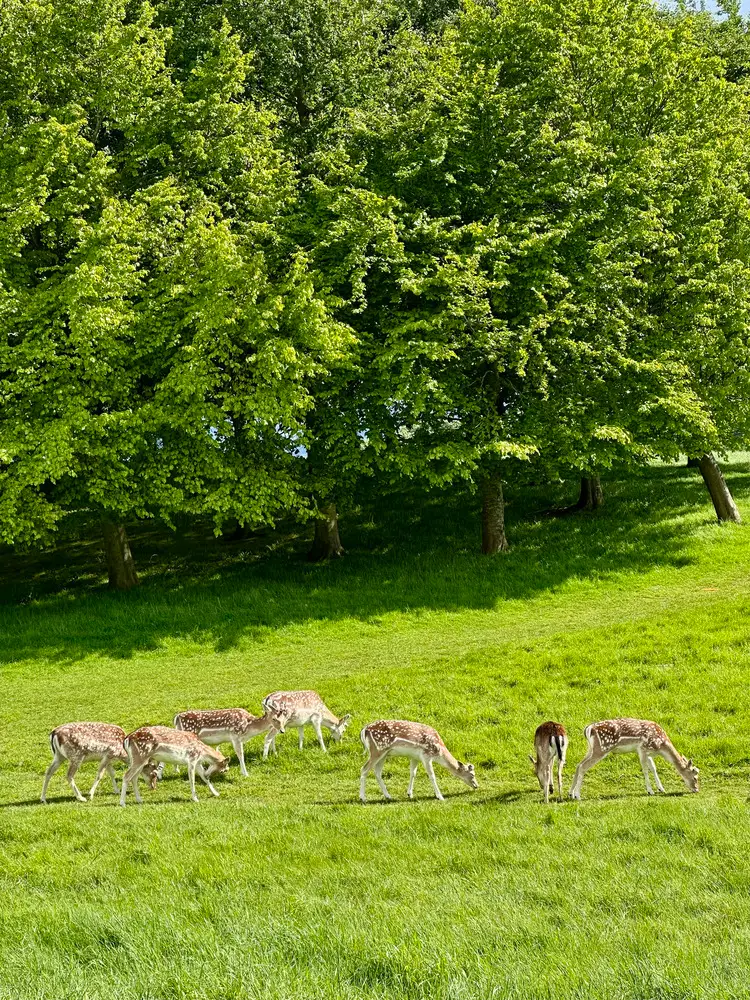
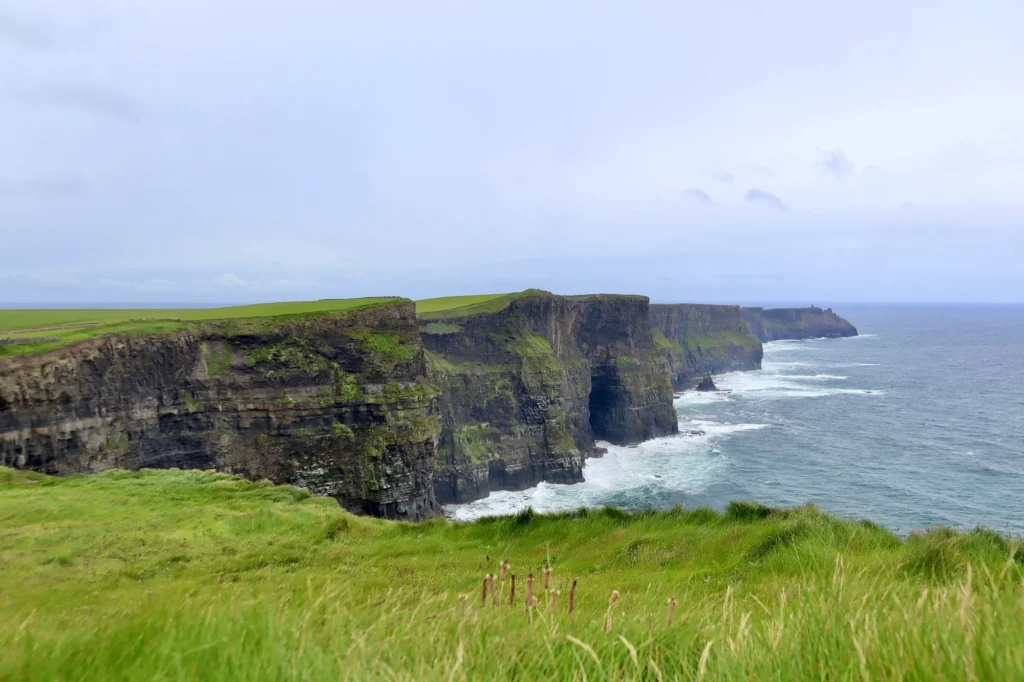
Dublin is a beautiful city to explore, but Ireland has so many incredible places to discover. Don’t miss a day trip to the famous Cliffs of Moher, as well as places such as Glendalough, Galway, Cork and Cobh.
Ireland is generally full of incredible green landscapes that you can find in very few places around the world.
Also, if you are a Game of Thrones fan, you absolutely have to visit the Game of Thrones Studio Tour. It was undoubtedly one of the highlights of my trip to Ireland.
It is a huge studio where you can see costumes and props from the series, discover how many of the show’s effects were created, see the only original throne used in the series and much more.


I booked a ticket that included a transfer because the studio is around 90 minutes from Dublin, but if you have a car, you can also book a ticket without transportation.
Things to know before your trip to Dublin
- Ireland uses Type G power sockets, the same three-pin sockets used in the United Kingdom, so if you are travelling from Greece, you will need an adapter.
- As a Greek/EU citizen, you can travel to Ireland with either a valid Greek national ID card or a passport. Ireland is not part of the Schengen Area, so you will need to present a valid travel document when entering the country.
- Take an umbrella with you whatever time of year you visit, because the weather in Ireland is the most unpredictable I have ever experienced. One minute it can be sunny, five minutes later it can start raining, and then the sun can come out again.
- Your mobile data from Greece works normally in Ireland under EU roaming rules, so you do not need to buy an eSIM.
If you want to see more from my trip to Dublin, visit my Instagram profile.


